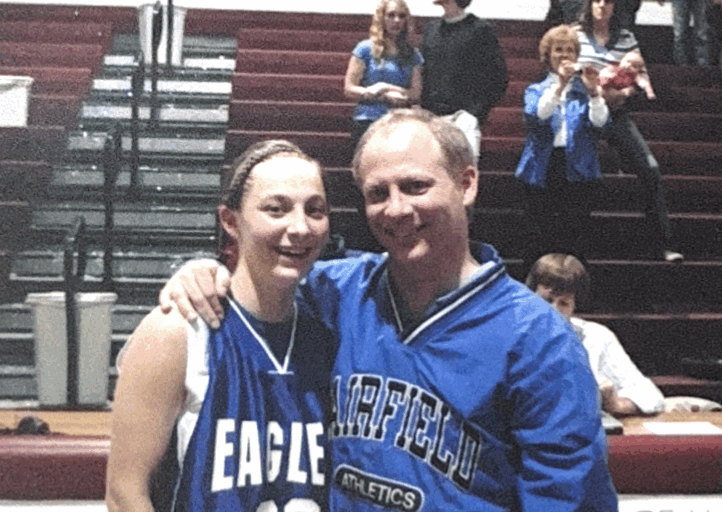
My Dad died by suicide.
I am not writing this post to ask for your attention or sympathy. Instead, I hope it brings insight and understanding.
(This Post isn’t written elegantly, pretty, or well thought out. It is a jumble of introspection. September is Suicide Prevention Awareness Month, and the action of suicide in my life has changed the blueprint of who I am.)
Death by suicide is the unthinkable and the unfathomable. It doesn’t get talked bout post-death. How many obituaries have you read where you know or assume it’s death by suicide, but it’s not mentioned? I wrote my Dad’s obituary, and I left it out. There is nothing inside of me that is ashamed of my Dad; however, people want to shove suicide into the dark corners. It’s stigmatized. Suicide makes everyone feel uncomfortable. I’ve noticed that people react differently in the wake of death. Death by accident or disease brings immense empathy. We show up and ask what we can do to help. We are more willing to lean in and talk about departed loved ones. When it’s suicide, it’s like the collective oxygen gets sucked out of the room. People don’t know what to say. They don’t know how to act.
How do you feel when a loved one dies by suicide?
There is no easy grieving, and the loss of a loved one will change you. Your world splits into the ‘before’ and ‘after’. It has been described by counselors worldwide as ‘complicated grieving’ when you grieve a suicide. Guilt, regret, and anger are significant parts of the process and appear more frequently than other emotions. My Dad knew I loved being his daughter. Being his little girl is one of my most cherished titles I carry, but I have guilt that I didn’t hold on to our last hug a little longer. I regret not telling him how much he is loved and how much we need him here on Earth when I started noticing the signs of hopelessness. I am angry he didn’t choose to fight or get help. I am angry he left five grandkids to grow up only knowing his memory instead of making memories. When someone you love dies by suicide, their song abruptly stops in the middle of the melody, and you never get to hear the ending.
Suicide survivors get caught up in the moment and the cause. I have to remind myself to separate how my Dad died from my Dad. My Dad happened to die this way, but that doesn’t have any effect on my Dad as a person.
How do you talk to a suicide survivor?
Those who have lost a loved one by suicide are suicide survivors.
First of all, don’t feel bad for them. They are not victims. Simply show up; don’t shy away. People often stay away after death, and they use the excuse that they don’t know what to say. It’s okay to say you don’t know what to say.
Grief so often feels like carrying a story no one wants to hear. People worry that mentioning their name will upset you or make it worse. But it isn’t silence that protects us, it’s the remembering that heals us. When someone finds out my Dad died, almost without fail, the next question is: “How did he die?” As if the details of someone’s death could possibly explain the fullness of their life. When someone dies, the world has a way of reducing them to a single fact: gone. People fixate on the ending, as if knowing how it happened will help them understand who they were. Sometimes the most powerful question isn’t how it ended, but how it unfolded. Because the people we lose don’t live on in the details of their death. They live on in stories. In memory. In us.
My Hope…
Again, I do not write this post for sympathy or attention. I contemplated for days whether to publicly post this Blog, especially considering the stigma of suicide and the complexities of my Dad’s death.
Nonetheless, I have a hope. I hope you pick up the phone, text those who are close to you, and simply check in to see how they are doing, and then ask how they are really doing. Life is hard. People struggle. Sometimes it’s easy to spot, but sometimes you will never even know. So do me a favor, grab your phone. Make a call. Send a text. You may be glad that you did. You will never regret saying, “I Love You.”